The maxim that justice delayed is justice denied is a haunting reality in many parts of the developing world. When legal disputes drag on for years, businesses stall, human rights languish, and public trust in the rule of law erodes.
In Ghana, the legal system operates under an overwhelming caseload. Only 445 judges and magistrates serve a population of more than 35 million people. This means every single judge is responsible for over 78,651 citizens.
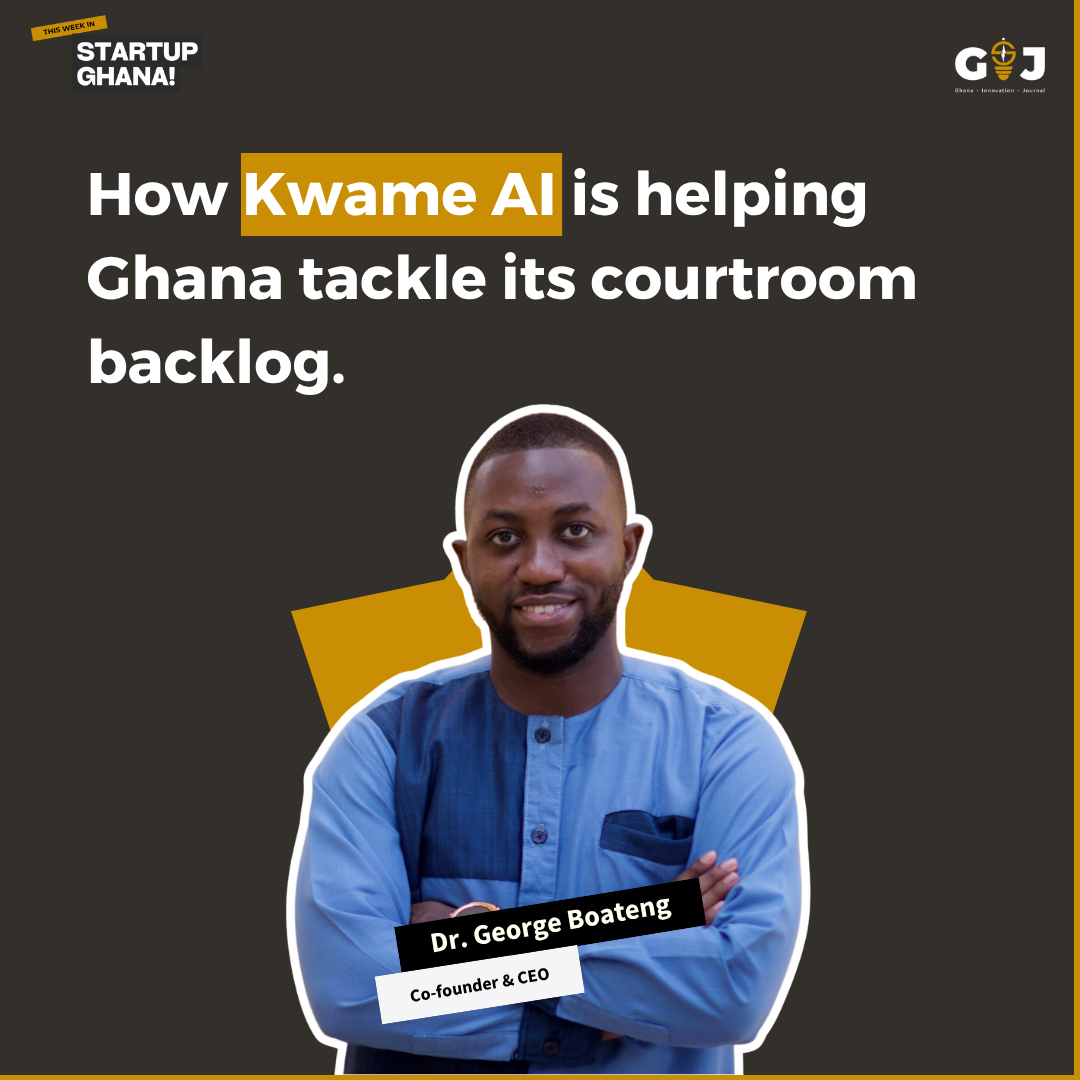
With Ghana’s legal professionals pushed to their limits, a pioneering new partnership aims to tip the scales. Kwame AI has joined forces with the Judicial Service of Ghana to roll out Eskwai Clerk, an AI judicial assistant. The initiative represents a historic milestone, making Ghana’s judiciary the very first in Africa to roll out an advanced generative AI assistant to its judges.
The Heavy Toll of the Paperwork Bottleneck
Before a judge can hand down a ruling, they must wade through mountains of paperwork. Legal research, precedent analysis, document reviews, and the painstaking drafting of judgments consume dozens of hours per case. In low resource settings, this administrative bottleneck is the primary driver of court backlogs.
Eskwai Clerk eliminate these bottlenecks by acting as an intelligent copilot. The AI’s proprietary and highly secure legal AI grants judges access to a comprehensive, digitized database of Ghanaian case law and legislation.
Instead of spending days manually cross referencing physical archives or fragmented digital folders, judges can now use Eskwai Clerk to conduct instantaneous legal research, locate relevant precedents, analyze complex briefs for inconsistencies, and generate highly structured drafts. This allows judges to focus their energy on the nuances of equity and human judgment. By reducing the time required for administrative prep work, Eskwai Clerk directly targets the delay at the heart of the backlog.
Scaling efficiency across hundreds of courts
The rollout is not a small scale pilot because it is a nationwide systemic upgrade. All 445 judges and magistrates across Ghana are being equipped with the tool. To ensure the technology translates into tangible courtroom efficiency, Kwame AI is conducting comprehensive, hands on training sessions for judicial officers. This curriculum focuses on the ethics of AI integration, emphasizing that technology must assist rather than replace the human element.
His Lordship Justice Paul Baffoe Bonnie, Chief Justice of the Republic of Ghana, noted that embracing technology within judicial processes transcends mere efficiency. He emphasized that it is fundamentally about ensuring that justice is both accessible and expeditious for all citizens of Ghana. He added that the introduction of Eskwai Clerk signifies a transformative advancement toward a more effective judiciary where technology and human expertise collaboratively uphold the rule of law.
The early indicators of this rollout show a profound shift in how courts manage their workflows. By reducing document review and drafting times by significant margins, judges are empowered to hear more cases, resolve disputes faster, and deliver timely closures to families and businesses.
A broader vision for equal justice
This landmark collaboration with the Judicial Service is not Kwame AI’s first foray into reform. The initiative builds directly upon the tech company’s active partnership with Ghana’s Legal Aid Commission, where AI tools are already being utilized to help public defenders manage overwhelming caseloads for indigent clients. By bridging the gap between public defense and the bench, Kwame AI is working toward a holistic, tech enabled ecosystem where a citizen’s socioeconomic status does not dictate the speed of their trial.
As courts grapple with mounting case backlogs and limited budgets, Ghana’s bold integration of Eskwai Clerk serves as a blueprint for the future of global judiciaries. It proves that with the right safeguards, generative AI is not just a tool for commercial automation but a vital pillar for democratic preservation and the swift administration of justice.