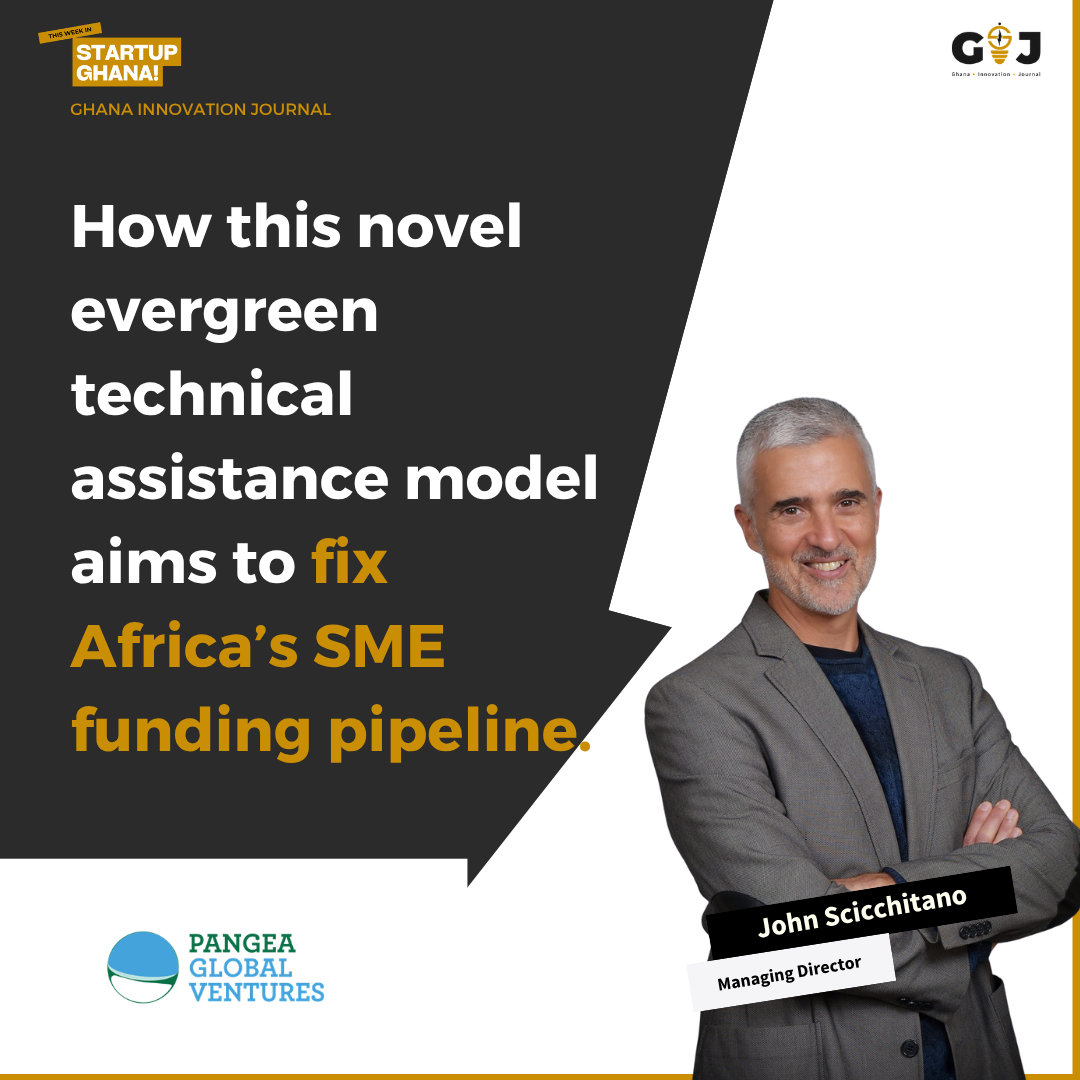
This article draws on an original piece by John Scicchitano of Pangea Africa and Rob Mills of Social Finance International.
In 2023, Mariseth Farms, a Ghanaian agribusiness founded by Marian Ofori Twumasi, had reached a familiar ceiling. The business had grown steadily by working with smallholder farmers and aggregating produce for market, but further expansion required capital it did not yet have. Like many SMEs, it sat in the gap between early traction and investment readiness.
To move forward, Mariseth needed more than funding. It required financial structuring, investor engagement, and support through a transaction process that can take months or years to complete. Pangea Africa worked with the company through this process, helping position the business for external investment.
Do business advisory services deliver results?
In 2024/25, Mariseth secured $850,000 from three impact investors. The effect on the business was immediate. With access to working capital, it expanded procurement and strengthened its operations. By 2025, earnings had tripled.
The changes extended beyond the company itself. Mariseth increased the number of farmers in its network from 1,550 at the end of 2023 to 9,255. It provided pre-financing for inputs such as drought-tolerant seeds, facilitated mechanisation services, and offered more stable market access. The advisory support that enabled this transition represented a small share of the total capital raised.
This example reflects a broader pattern. When advisory support is available and sustained through the transaction process, it can convert viable businesses into investable ones. Programmes in Ghana have shown similar results. Under USAID’s Financial Inclusion in Ghana initiative, business advisory providers facilitated $45.1 million in financing for 529 agribusinesses. TechnoServe reports that its advisory work in 2024 generated an average of $7.60 in increased revenue for each $1 invested.
Yet cases like Mariseth remain difficult to replicate at scale. The constraint lies in how advisory services are funded. SMEs often cannot afford to pay for support upfront. At the same time, advisory firms face long timelines and uncertain outcomes, making it difficult to rely on success fees alone. Development partners, for their part, have tended to treat advisory services as commercial activities, limiting the availability of sustained grant funding.
The result is a fragmented system in which SMEs do not receive the level of support required to reach investment readiness, and advisory providers are constrained in how many firms they can work with.
The new model to unlock funding for SMEs
Having worked in inclusive finance and investment facilitation for over two decades and experienced these bottlenecks directly, Social Finance International and Pangea Africa have set out to design a model that can operate at scale, unlock funding for SMEs and keep advisory firms afloat.
The proposed donor-seeded facility will provide contracts to BASPs to provide SMEs support, with minimal upfront cost to the SME. However, the upfront funding would only partially cover the BASPs’ expenses, so participating BASPs would have an incentive to catalyze successful transactions, as these would be further rewarded by a results-based bonus from the transaction advisory facility when the SME closes an investment.
At the same time, there would be no free lunch for SMEs. In return for receiving business advisory services with reduced upfront fees, the SME would commit to paying a success fee back to the revolving facility, financed from the investment. The facility would hence be replenished from successful transactions.
The model also changes how risk is distributed. The facility takes on upfront exposure by financing advisory work before outcomes are known, with donor capital absorbing early losses. Advisory providers accept performance risk through deferred, results-based compensation. SMEs avoid initial financial pressure but share part of the upside once investment is secured. Investors do not fund the mechanism directly, but they benefit from a more prepared and structured pipeline of businesses, particularly in markets where building that pipeline is costly.
Further questions about this revolving facility
Several design questions remain unanswered. This include how to define a “successful” transaction for the purpose of paying out results-based bonuses, how to calibrate success fees so that they remain affordable for SMEs, and how far the model can be stretched beyond formal SMEs to reach smaller or informal enterprises. Pangea and Social Finance are testing these parameters as they move from concept to implementation and negotiate terms with prospective partners.
The experience of firms such as Mariseth suggests that when advisory support is in place, both financial performance and development outcomes can follow in tandem. The challenge is less about proving impact than about financing the conditions that make it possible at scale.
By linking advisory funding to results and recycling capital through successful transactions, the evergreen facility that Scicchitano and Mills are building is intended to increase the number of businesses that can move from early growth to investment readiness. In doing so, to this will improve the flow of capital through Ghana’s SME ecosystem and similar markets across Africa.